Is Your AC’s Refrigerant on Its Way Out?
You step inside on a sweltering New York summer day, hit the AC, and a wave of cool relief washes over you. It’s a modern comfort we often take for granted. But what if I told you the very substance making that cool air possible, the refrigerant in your system, is on its way to retirement? For many homeowners, the news about R-410A can feel sudden, even alarming. It brings up questions about cost, replacement, and just what exactly this all means for your comfortable home. Let’s cut through the noise and understand what’s really happening.
What’s This About R-410A and Why Should I Care?
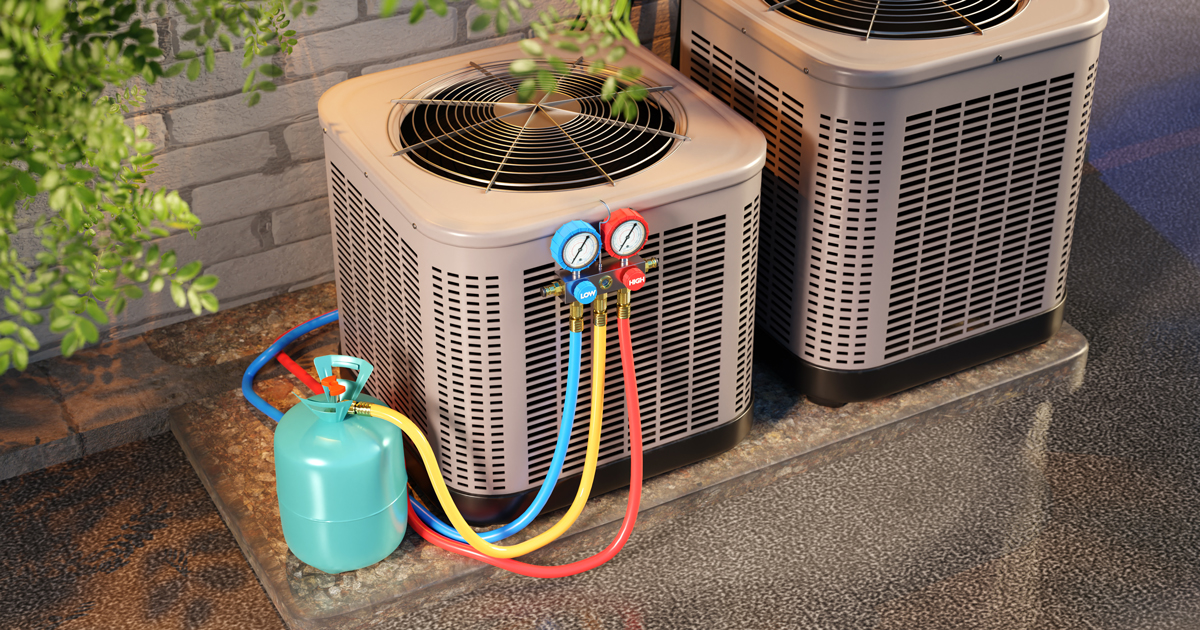
Think of R-410A as the lifeblood of most modern air conditioning systems installed in the last 20 years. Before it, R-22 (often called Freon) was the standard. R-410A was actually developed as an improvement over R-22, designed to be more ozone-friendly. However, as our understanding of environmental impact evolves, so too do the standards. While R-410A doesn’t harm the ozone layer directly, even more efficient refrigerants have been developed. The most common of these are R-32.
The Phasing Out of R-410A: What’s the Timeline?
This isn’t a flip-of-a-switch change. It’s a carefully planned, gradual transition designed to allow manufacturers, contractors, and homeowners to adapt without undue disruption.
Federally, the AIM Act set a national schedule for the phasedown of HFC production and consumption. For R-410A, specifically, new equipment manufactured or imported into the U.S. has not been allowed to use refrigerants like R-410A starting January 1, 2025. At this time, you will no longer find new AC units or heat pumps designed to run on R-410A being sold. While this is the big federal deadline, it doesn’t mean your existing R-410A system will suddenly stop working or that the refrigerant will vanish overnight. The production of the refrigerant itself will also be gradually reduced, affecting its availability and price over time.
New York State has followed suit, and there is no are counteracting or contradicting statutes that deviate from the federal standard.
What Does This Mean for You as a Hudson Valley or Catskills Homeowner?
Understanding the “why” and “when” is important, but what truly matters is the practical impact on your home and your wallet. Let’s break it down by your current situation.
R-32: The New Kid on the Block
When we talk about the future of refrigerants for residential air conditioning, R-32 is often the first name that comes up. It’s a single-component refrigerant, not a blend like R-410A. And it’s considered more energy-efficient in many applications, meaning it can move heat more effectively, leading to marginally lower electricity bills for you over time. Many major HVAC manufacturers are already producing and selling systems designed specifically for R-32, especially in mini-split and smaller ducted systems. It’s quickly becoming the de facto standard for new installations.
Other Options: A Growing Family of New Coolants
Beyond R-32, the research and development in refrigerants are buzzing. You might also hear about options like R-454B or even natural refrigerants like propane (R-290) for certain applications, though these have different characteristics and safety considerations. The good news is that the industry isn’t relying on a single solution; instead, a diverse family of greener coolants is emerging, each with its own advantages for different types of HVAC equipment and applications. This diversity ensures innovation and competition, ultimately benefiting homeowners with more choices and efficient solutions.
What Should You Do Now? Practical Steps for NY Homeowners
The information can feel a bit overwhelming, but taking proactive steps now will save you headaches and money down the line. Here’s your practical roadmap.
1. Know Your Refrigerant
If your ductless mini-split heat pumps were installed before 2024, it’s overwhelmingly likely that they use the R-410A standard. If you’re looking into getting new mini-splits, then it’s overwhelmingly likely that they will use R-32, so you’ll be reasonably future-proofed.
2. Maintain Your System Diligently
Whether you have existing heat pumps, or are planning on getting them, you should have a plan for maintenance. If you have older R-410A heat pumps, then maintaining your pumps will mean that it’s less likely you’ll need increasingly expensive repairs on the sunsetting refrigerant.
If you have new heat pumps, then annual tune-ups will identify potential issues before they become costly problems.
3. Plan for the Future
If your units are nearing the end of their typical lifespan of 10-15 years, you may want to start budgeting for a replacement. When they eventually break down, and repairs are expensive because of the refrigerant becoming more rare, you may be rushed into a more expensive decision. By planning proactively, you can explore financing options, New York’s energy efficiency rebates, and remaining tax credits.
4. Consult with a Reputable HVAC Professional
This is the most important step. When you give us a call at 845-399-0669, you don’t necessarily have to know exactly what you want, or be ready to book an appointment. But we can listen to your needs and recommend solutions that you can act on now or in the future. We can assess your current system, explain your options for upgrades, clarify incentives, and help you make a decision that aligns with your budget and home comfort goals.
Making the Transition Smoothly
The phaseout of R-410A is an evolution. While it’s disappointing that people who bought heat pumps may be facing more expensive repairs in the future as parts become less common, it also is evidence that heat pumps are a cutting edge technology that is being iterated on. By partnering with us as your HVAC professionals, we can help you navigate this smoothly, ensuring your home remains comfortable and affordable even as standards change.