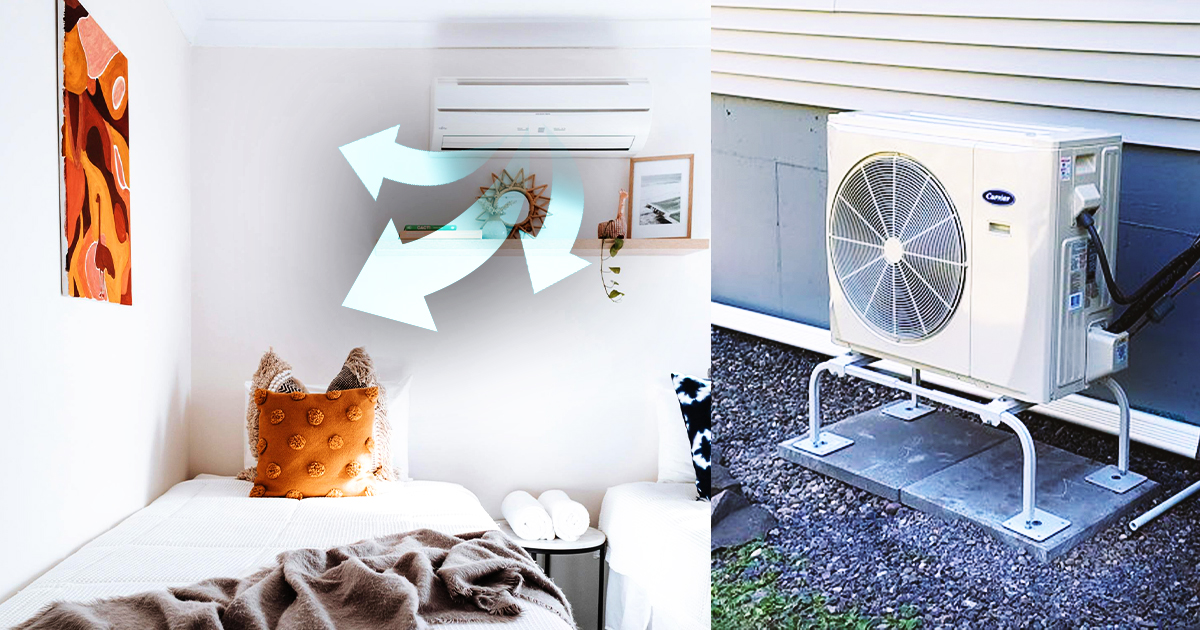
Summer can get hot and muggy in the Hudson Valley, and fans and window-mounted air conditioners just don’t cut it all the time. To ensure a cool and comfortable home in the hottest weather, you need a more robust air conditioner. However, air conditioner installations come with a litany of building permits and other inspections that must be done to ensure the maximum amount of safety.
When you work with Precision HVAC, we’ll help you navigate all of the necessary building, electrical, and potential zoning or historic permits and considerations that you may need. Here’s a town-by-town breakdown of all the main places where we work with homeowners.
Village of Saugerties Air Conditioning Permits
In the Village of Saugerties, you need a building permit to install an air conditioning system. The Village’s code enforcement is clear: any HVAC work must conform to the New York State Uniform Code and requires a building permit before work begins.
Applications can be submitted to the Building Department at 43 Partition Street, Saugerties, NY 12477, or by calling (845) 246-2321. You’ll need to provide one full set of scaled construction plans plus one digital copy, a site plan showing equipment location, and certificates of insurance for both liability and workers’ compensation.
You also need an electrical permit. The electrical permit fee is $100 for non-Village licensed contractors. The Village requires third-party electrical inspection by an approved agency from the New York Board of Fire Underwriters or another approved inspector. They’ll certify that all wiring meets code before final sign-off.
If you’re in the Village of Saugerties Historic District, you may need approval from the Historic Review Board for exterior changes, particularly if the outdoor condenser unit is visible from the street. The review ensures that new equipment doesn’t detract from the historic character of the district.
The homeowner is ultimately responsible for ensuring proper permits are obtained, but a contractor can apply for the building permit on your behalf. The permit application must include the owner’s notarized signature. Once approved, a Certificate of Occupancy will be required before the building can be occupied with the new system in place.
Town of Saugerties Air Conditioning Permits
In the Town of Saugerties, a building permit is required for air conditioning installations. The Town code states that “a building permit shall be required for any work which must conform to the Uniform Code.” Permits can be obtained in person at Town Hall at 4 High Street in Saugerties or by calling (845) 246-2800.
The Town charges a $75 application fee for all permits, plus a minimum building permit fee of $125. The fee structure may increase based on the project’s estimated cost. If you’re caught doing work without a permit, Saugerties imposes a penalty of 50% of the permit fee plus a minimum $300 fine—so it pays to get permitted upfront.
Saugerties doesn’t have its own electrical inspectors on staff, so a certified third-party inspection is required from one of the town’s approved 3rd party inspectors. They’ll verify that all electrical connections, circuit breakers, and disconnect boxes meet code requirements before a final Certificate of Occupancy or Compliance can be issued.
Your permit must be displayed visibly at the work site throughout the installation. Multiple inspections may be required at various stages of the work, including rough electrical, insulation (if ductwork is being installed), and final inspection. The building permit remains valid for the duration specified on the permit itself.
Either the homeowner or contractor can apply for the building permit, but ultimately, it’s the homeowner’s responsibility to ensure all required inspections are completed and the Certificate of Occupancy is issued before using the system.
Town of Ulster Air Conditioning Permits
In the Town of Ulster, a building permit is required for air conditioning installations—whether you’re adding a new system, replacing an existing one, or installing AC in a new addition. The Building Department is located at 584 East Chester Street Bypass in Kingston and can be reached at (845) 340-3884.
The permit fee structure is straightforward: HVAC permits cost a base fee of $100 plus $15 per unit. So if you’re installing a central air system with one outdoor condenser, the permit would be $115. A Certificate of Occupancy costs an additional $50 for one- or two-family dwellings.
You’ll need to schedule inspections at least 24 hours in advance. The Building Department’s hours are 8:00 AM to 4:00 PM, Monday through Friday. If work fails the initial inspection, a reinspection fee will apply.
Electrical work must be performed by a licensed electrician holding an Ulster County Master Electrician License. This has been mandatory since January 1, 2022. Third-party electrical inspection approval is also required, and the Town provides a list of recognized inspectors.
There’s no special historic district in the Town of Ulster, so as long as you follow basic zoning rules about setbacks and property lines, you should be fine. However, if your property is in a flood zone, there may be additional requirements about keeping equipment above base flood elevation, your building permit application will address this.
The building permit must be prominently displayed and visible from the street during installation. Your contractor can apply for the permit on your behalf, but as the property owner, you’re responsible for ensuring all inspections are completed and the Certificate of Occupancy is issued before the system is put into service.
Town of Woodstock Air Conditioning Permits
In the Town of Woodstock, you need a building permit to install an air conditioning system. Contact the Woodstock Building Department at (845) 679-2113 ext. 13 to begin the process. Appointments are required, so plan ahead.
Your application should include details about the unit’s make and model, BTU capacity, and where both the indoor components (if applicable) and outdoor condenser will be located. If you’re installing central air with new ductwork, you’ll need more detailed plans showing the duct layout and any structural modifications.
An electrical inspection is required and will be handled by a third-party inspection agency. Your electrician or HVAC contractor will arrange this inspection. The inspector will verify that all electrical connections, circuit sizing, disconnect boxes, and grounding meet the New York State Uniform Code before issuing a certificate of approval.
In Central Woodstock, you may have additional zoning or aesthetic considerations if you’re within the Hamlet Preservation District. Your permit application may be referred to the Woodstock Commission for Civic Design for review before approval. This review ensures that exterior installations—particularly outdoor condenser units—don’t detract from the historic or aesthetic character of the hamlet. Woodstock’s Scenic Overlay Districts may also request that equipment be screened with vegetation if it’s visible from the road, or positioned to minimize visual impact.
These additional reviews can add time to the permitting process, so if you’re in one of these districts, submit your application well in advance of your planned installation date. Your contractor can help you understand the placement options that will satisfy both efficiency needs and design review requirements.
Like in other Hudson Valley towns, the homeowner is ultimately responsible for ensuring permits are in place, but either the property owner or an agent/contractor can file the paperwork. Most HVAC contractors will handle this on your behalf to streamline the process.
Town of Catskill Air Conditioning Permits
In Catskill, you need a building permit for air conditioning installation. The Town Code is explicit: “no person shall commence any work for which a building permit is required without first having obtained a building permit.” Contact the Code Enforcement office at 439 Main Street, Catskill, NY 12414, or call (518) 943-2141 ext. 4.
You’ll need to submit a Building Permit Application – General form that describes the scope of work, including whether you’re installing a new system, replacing an existing one, or adding cooling capacity. The application requires your property’s Tax Map number, street address, and occupancy classification. Submit two sets of construction documents with your application.
Permit fees depend on the project’s estimated cost. For straightforward AC replacements, the fee structure is typically a flat rate, but for larger installations involving ductwork or structural modifications, fees may be calculated based on project cost or square footage.
Catskill requires that all electrical work be performed by a Greene County licensed electrician and certified by a third-party inspector from the New York Board of Fire Underwriters or another approved agency. The electrical certificate must be provided to the Town’s Code Enforcement Officer before final approval.
The Code Enforcement office hours are Monday through Friday, 8:00 AM to 4:00 PM (closed 12:00-12:30 PM for lunch). Multiple inspections may be required, including a solid-fuel-burning heating appliances inspection if applicable, energy code compliance inspection, and a final inspection after all work is completed.
Outside of the village, your outdoor condenser unit must respect property line setbacks—typically several feet from side and rear property lines. Check with the Code Enforcement office about specific setback requirements for your zoning district.
Either the homeowner or the contractor can apply for the permit, but ultimately, it’s the homeowner’s responsibility to ensure the work is inspected and a Certificate of Occupancy or Compliance is issued. No occupancy is permitted until this certificate is obtained.
Village of Catskill Air Conditioning Permits
In the Village of Catskill, you need a building permit for air conditioning installations, just as you do in the Town. Contact the Village Code Enforcement office at 422 Main Street, Catskill, NY 12414, or call (518) 943-6564.
The same New York State Uniform Fire Prevention and Building Code applies, so the requirements are very similar to those in the Town of Catskill. You’ll need to submit a complete building permit application with project details, obtain electrical certification from a Greene County licensed electrician and approved third-party inspector, and receive a final Certificate of Occupancy before using the system.
The Village of Catskill has a Historic District that may present additional—but achievable—requirements for properties within its boundaries. If your home is in the historic district, the placement of outdoor condenser units may need to be approved to ensure they don’t negatively impact the building’s historic character or the district’s visual continuity. Typically, this means placing units in side or rear yards where they’re less visible from the street, and potentially screening them with landscaping or fencing.
The Village may share code enforcement services or coordinate closely with the Town of Catskill, so if you have questions about which office to contact, calling either number will point you in the right direction.
Your HVAC contractor can submit the necessary permits on your behalf with your signature, but double-check that all paperwork is filed before work begins to avoid penalties.
Town of Coxsackie Air Conditioning Permits
Coxsackie homeowners need a building permit to install an air conditioning system. The Town code states that “all new construction, renovations, alterations [and] additions” require permits. Contact the Building Inspector, Ed Pebler, at (518) 857-9465, or visit the town office at 56 Bailey Street, Coxsackie, NY 12051.
Before any work begins, a building permit application must be filed. The application requires your name, address, contact information, property location with Tax Map number, a description of the work, and the estimated cost of construction. Permit fees start at a minimum of $30, plus $3 for each $1,000 that the estimated cost exceeds $10,000.
You’ll need to provide several documents with your application:
- NY Board of Fire Underwriters permit/certificate for all electrical work
- Proof of liability insurance for your contractor
- NYS Workers’ Compensation and Disability insurance documentation, or proof of exemption
- Payment (cash or check payable to Town of Coxsackie)
Building permits for residential use expire one year from the date of issuance, so if your project takes longer than expected, you may need to renew the permit.
All electrical work must be performed by a Greene County licensed electrician, and approval from the NY Board of Fire Underwriters is mandatory before the permit can be finalized. The third-party electrical inspector will verify that all connections, circuit sizing, and safety disconnects meet code requirements.
In the Town, there are no special historic districts or design constraints beyond ensuring the outdoor unit isn’t in a front yard setback and respects side/rear property line distances. In the Village of Coxsackie, there may be historic preservation rules for exterior changes in certain areas, so check with the Village Building Department if your property is within village boundaries.
The Building Inspector may enter the property to examine the work and ensure compliance with approved plans. Any deviations from the approved plans must be authorized in writing before proceeding.
Usually, your HVAC contractor will submit the necessary permits on your behalf with your signature, but it’s always good to double-check that everything is filed and approved before installation day.
Town of Windham Air Conditioning Permits
In Windham, a building permit is required for installing an air conditioning system. Note that the office operates by appointment only, so call ahead to schedule.
The Town’s permit fee structure for HVAC work is based on BTU capacity:
- Furnace only: $0.50 per 1,000 BTU
- Complete HVAC system (heating and cooling): $1.00 per 1,000 BTU
For example, if you’re installing a 3-ton (36,000 BTU) air conditioning system, your permit fee would be $36. If you’re caught working without a permit, Windham charges double the permit fee amount, plus a $100 reinspection fee.
Your application should include a brief scope of work showing unit BTU capacity, indoor component locations (if applicable), outdoor condenser placement, and the refrigerant line-set route. You’ll also need to provide property location with Tax Map information and the estimated cost of construction. Two sets of construction documents are required for certain projects.
Electrical work must be performed by a Greene County licensed electrician and inspected by a certified third-party electrical inspector. Your electrician or installer will arrange this inspection and provide the approval certificate to the town before final sign-off.
Windham requires multiple inspection stages:
- Site inspection (prior to permit issuance in some cases)
- Plumbing, Heating, Framing, Insulation, Electrical inspections (before closing in framework if ductwork is involved)
- Final inspection when all work is completed
A Certificate of Occupancy is required, and no occupancy is permitted without it. The permit must be visibly displayed at the work site throughout the installation.
Windham doesn’t have special historic review for typical single-family homes. Follow standard zoning and setback rules, and mount the outdoor condenser unit high enough for snow clearance (important in this mountain town!) and away from property lines and windows to minimize noise impact on neighbors.
If work isn’t commenced within 6 months of permit issuance, or if it’s suspended for 6 months, the permit becomes invalid and you’ll need to reapply.
Either the homeowner or contractor can apply for the permit. Most residents have their HVAC contractor handle the paperwork to ensure everything is filed correctly. Plan ahead so permits and inspections line up with your installation schedule—remember, the Building/Code office is by appointment only.
City of Hudson Air Conditioning Permits
Hudson requires a building permit for air conditioning installations. Apply through the Building Inspector’s office at the City of Hudson municipal building. Contact the city offices for current contact information and application procedures.
Your application must provide detailed information including:
- Dimensions of the lot
- Street location and ward
- Statement of use and occupancy
- Estimated duration of construction
- Valuation of the proposed work
- Owner or officer information
- Complete set of plans and specifications (in triplicate)
Three copies of your plans are required, two will be retained by the Building Inspector, and one will be returned to you with the building permit. The approved plans must be kept at the building site and open for inspection throughout the installation.
The Building Inspector will examine and approve or disapprove the application within a reasonable time. Plans must comply with the City Zoning Ordinance as well as the building code. If amendments or revisions to the plans are needed, they may be filed and approved before completion of the work.
Electrical work must be inspected by an approved third-party electrical inspector. Provide the inspector’s certificate to the city to obtain your final approval and Certificate of Occupancy.
If your property is in a Hudson Historic District or is a designated landmark, you’ll also need a Certificate of Appropriateness from the Historic Preservation Commission (HPC) before the building permit can be issued. This is a critical step that many homeowners overlook. The HPC review typically takes place at regularly scheduled meetings, so you’ll need to factor this timeline into your project planning.
The HPC will want to see:
- Photos of your property showing where the outdoor unit will be placed
- A simple site sketch or plot plan
- Product information and specifications
- Your plan for screening or minimizing visual impact
The Commission generally prefers low-visibility placements in rear or side yards, tidy line-set covers (not exposed copper), and screening with appropriate fencing or landscaping where practical. The goal is to preserve the historic character of the district while allowing necessary modern improvements.
Either the homeowner or contractor may file the permit. Many contractors will submit the application on the owner’s behalf to streamline the process. If HPC review applies, be prepared to supply the requested materials and allow 2-4 weeks (or more) for the HPC meeting calendar and approval process.
Ordinary repairs that are not structural in nature do not require a permit, but installing a new air conditioning system—even if replacing an old one—is considered an alteration to the building’s systems and does require full permitting.
Why Proper Permitting Matters
You might wonder if all this paperwork is really necessary, especially for a straightforward AC replacement. The answer is an emphatic yes, for several important reasons:
- Safety: Building codes exist to ensure your new air conditioning system is installed safely, with proper electrical sizing, correct refrigerant handling, adequate structural support, and appropriate clearances. Unpermitted work may skip critical safety steps.
- Insurance: If your home suffers damage related to unpermitted work, your homeowner’s insurance may deny your claim. This could cost you tens of thousands of dollars.
- Resale Value: When you sell your home, unpermitted improvements can derail the sale, force price reductions, or require expensive after-the-fact permitting and inspections.
- Legal Penalties: As you’ve seen, municipalities impose significant fines for unpermitted work, often $300-$500 or more, plus the cost of the permit itself. Some towns charge double the permit fee if you’re caught working without one.
- Code Compliance: Professional installation with proper permitting ensures your system meets energy code requirements, which affects both your comfort and your utility bills.
Let Precision HVAC Handle the Details
Navigating permit requirements across multiple Hudson Valley municipalities can be complicated and time-consuming. That’s where working with an experienced, local HVAC contractor makes all the difference.
At Precision HVAC, we handle permit applications, coordinate electrical inspections, ensure code compliance, and manage the entire installation process from start to finish. We know each municipality’s specific requirements, have established relationships with local building departments, and understand how to navigate historic district reviews when needed.
We’ll ensure your air conditioning installation is:
- Properly permitted before work begins
- Installed to meet or exceed all code requirements
- Inspected at appropriate stages
- Certified with a final Certificate of Occupancy or Compliance
If you’re looking to install or replace an air conditioning system anywhere in the Hudson Valley, from Saugerties to Hudson and everywhere in between, Precision HVAC can pull the permits, coordinate electrical inspection, and deliver a flawless installation. Give us a call at (845) 399-0669 to set up a consultation and get started on your path to reliable, efficient cooling.